Iconic children’s character Bob the Builder is being used by E.ON to highlight the need for green skills training. The campaign was launched following research commissioned by E.ON which found that 31% of UK energy-sector professionals believe the workforce is not adequately trained to install the technologies required for the UK’s energy transition.
The research, carried out by Focaldata for E.ON Next among 250 members of the UK energy workforce between 28 August and 5 September 2026, suggests that the sector does not yet feel completely ready for that challenge. 89% of respondents said the government and energy industry need to invest more and work together more closely, while roughly the same percentage thought that training people who already work in the sector was just as important as bringing new talent into it. The research also found that energy professionals expect investment in green skills to produce benefits that extend beyond the immediate need for more installers. Of those surveyed, 67% identified job creation as a potential benefit, while 66% cited lower carbon emissions and 64% pointed to reduced household energy bills.
COMPARE PRICES FROM LOCAL INSTALLERS
Compare prices from local companies fast & free
Enter your postcode to compare quotes from leading professionals. We promise to keep your information Safe & Secure. Privacy Policy
Bob the Builder is back and this time he's going green. With his famous catchphrase, “Can we fix it? Yes, we can!,” E.ON clearly believes the familiar children's character is well suited to promoting the need for a new generation of green skills.
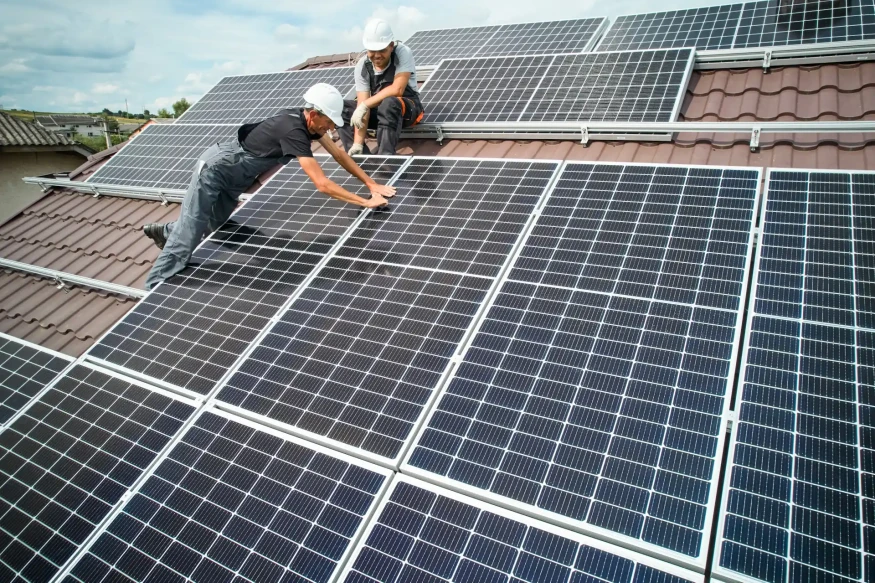
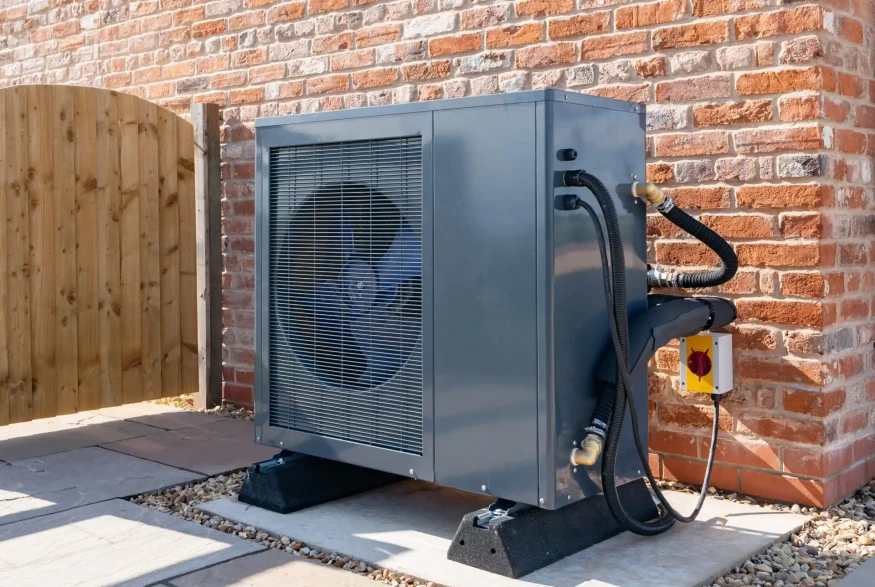
A 90-second film sees Bob head to the Net Zero Training Academy in Kingswinford, West Midlands, after being inspired by solar panels and home batteries during a trip to Australia. The facility trains engineers in technologies including heat pumps, solar PV, battery storage, electric vehicle charging and smart metering.
Neil Morrissey once again provides the voice for the original stop-motion character in a campaign to inspire people to develop green skills. Bob learns how technologies that can cut bills and give households more control could become part of his new toolkit.
Helen Bradbury, Chief People Officer at E.ON UK, said:
“Bob the Builder has always inspired people to solve problems and build things that matter. Today, those same qualities are needed to help deliver the UK’s transition to clean power. By embracing green skills and fronting this campaign, he’s a shining example of how we can make new energy work for everyone.”
Sending Bob for training provides E.ON with a simple way of explaining a workforce problem that might otherwise have been buried beneath policy targets, employment forecasts, and technical language. Although the technologies needed to change how homes use energy already exist, installing them at the required scale will depend on having enough people who know how to do the work safely and effectively.
Installing technologies such as solar panels, heat pumps and battery storage requires specialist training and appropriate qualifications to ensure systems are installed safely and operate efficiently. For homeowners, choosing a suitably qualified installer is essential to getting the best performance from their investment.
E.ON UK currently supports approximately 800 people annually in developing the skills needed for the energy transition through its Net Zero Training Academy and wider initiatives. Since 2018, the company has also supported more than 1,200 apprentices across approximately 100 programmes, including green skills-based courses such as control systems engineering and electro-mechanical engineering.
Bob spent many years teaching children that with the right tools, a good team, and a willingness to learn, almost any problem can be solved. However, he has now taken on a considerably bigger challenge than those he faced in the past. The much-loved tradesperson finds himself in the unfamiliar position of becoming a student again. The world is a different place now, and the UK needs to train enough people with the practical skills required to install solar panels, home batteries and other technologies that are becoming increasingly important to the way homes produce, store and use energy.
Bringing Bob back as somebody who still has more to learn is far more useful than presenting him as an instant green energy expert. E.ON’s campaign recognises that experience in a traditional trade does not automatically provide all the skills needed to work with newer technologies. If even Bob needs additional training, returning to education may begin to feel like a sensible step in somebody’s career, rather than admission that their existing knowledge is no longer valuable.
The campaign can appeal not only to potential apprentices considering their first career but also to experienced tradespeople who may be wondering how their work will change as solar panels, home batteries, electric vehicle chargers, and alternative heating systems become more common.
Does the UK Have a Green Skills Shortage?
Yes, the UK has a substantial shortfall of skilled workers in the green energy sector, which could threaten progress towards its 2030 clean energy ambitions, and 2050 net-zero target.
According to a report published by PricewaterhouseCoopers (PwC) in 2022, there are currently around 270,000 workers in the oil and gas sector who can transfer their skills towards delivering net zero. They possess skills that can be adapted to clean energy. Structured pathways and initiatives like the UK Energy Skills Passport are still scaling up to bridge the transition.
However, the report warned that around one-fifth of energy workers were expected to leave the workforce by 2030, largely through retirement. With an estimated 400,000 jobs needed to support the transition to net zero, attracting new workers and retraining existing employees will be essential.
Vicky Parker, power, and utilities leader at PwC said:
“Demand for new skills and capabilities will only accelerate so it’s vital we attract and build a diverse pipeline of talent. Meeting such a challenge needs to start at school age, continuing through university programmes, apprenticeships and beyond. However, all this must be underpinned by confidence around long-term job security and stability to attract and retain the necessary talent.”
Offshore wind alone requires tens of thousands of new specialists. The UK government's Clean Energy Jobs Plan, published in October 2025, estimates that the number of jobs supported by the clean energy sector and its supply chains could almost double by 2030, increasing from around 440,000 to 860,000. This growth will require skilled workers across renewable energy, heating, electrical installation, engineering, and construction.
Construction and retrofitting face acute labour shortages. Home insulation, low-carbon heating, and electrical installation are hampered by fragmented training among small and medium-sized enterprises (SMEs), as well as an ageing workforce.
Dr Eduardo Rodriguez Monemayor, PwC’s labour market economist, said:
“To secure the significant volume of workers needed to fuel the energy transition, the sector will need to draw from a more diverse pool of people. To attract more people into green energy jobs a range of interventions should be considered including ‘green’ apprenticeship programmes and technical green career pathways. If action to address this isn’t taken now, the UK is at risk of falling behind its roadmap to reach net zero and combat climate change, something that is front of mind given current energy prices, supply chain challenges, and record-breaking temperatures.”
Although demand for green skills is increasing, the availability of training is not keeping pace. Expanding opportunities for apprenticeships, retraining and professional development will be essential if the UK is to develop the workforce needed for its energy transition.
There are serious challenges in the Further Education sector, including underpaid instructors, a shortage of electrical and engineering teachers, and patchy capital investment for net-zero training facilities.
Research published by LinkedIn in June 2026 found that demand for green talent in the UK is growing almost twice as fast as the supply of workers with the necessary skills. Between 2021 and 2025, demand grew by an average of 7.8% annually, compared with just 4.2% growth in the number of workers with green skills. This growing gap highlights the importance of expanding training opportunities across the UK.
The PwC report also suggests that the amount of renewable energy generated will be affected by the shortage of skilled labour. PwC said that there is an “urgent need” for policy makers and the energy industry to work together to promote reskilling and upskilling and encourage a fresh pipeline of talent or risk undermining the UK's transition to net zero by 2050.
E.ON has brought back Bob the Builder to highlight the growing need for green skills training in the UK. The campaign follows research revealing concerns about workforce readiness as demand for solar panels, heat pumps, battery storage, and other low-carbon technologies increases. With significant skills shortages threatening the UK's energy transition, the campaign aims to encourage both new entrants and experienced tradespeople to develop the skills needed for a cleaner energy future.
Find a local installer
Welcome to the biggest directory of UK renewable energy companies