We could see a fall in the cost of installing a heat pump in the UK over the coming years as manufacturers increase production, competition grows and installers become more experienced. Government measures aimed at increasing heat pump sales among traditional boiler manufacturers could also help the market expand.
However, recent reports that the government is considering cuts to the Boiler Upgrade Scheme have raised concerns about how affordable low-carbon heating will be in the future. Even if the technology itself becomes cheaper, reductions in financial support could mean that some homeowners end up paying more to install a heat pump.
As the UK continues to look for ways to reduce its dependence on fossil fuels, what do these developments mean for the future cost of heat pumps, and is now a good time for homeowners to consider installing one?
COMPARE PRICES FROM LOCAL INSTALLERS
Compare prices from local companies fast & free
Enter your postcode to compare quotes from leading professionals. We promise to keep your information Safe & Secure. Privacy Policy
Why Could Heat Pumps Become Cheaper in the Future?
There are several reasons why the cost of installing a heat pump in the UK could fall over the coming years. As demand increases, manufacturers may be able to produce heat pumps in greater numbers, which will help bring down the cost of making each one. Increased competition between established heating companies and newer manufacturers could also help bring prices down as businesses compete for a larger share of the market.
Phil Steele, future technologies evangelist at Octopus Energy, said:
“I think we’ll continue to see the cost of the technology come down. As heat pump numbers rise in the UK and globally, manufacturers can improve production lines, increase capacity and buy components in larger volumes. That should make the technology cheaper to produce over time.”
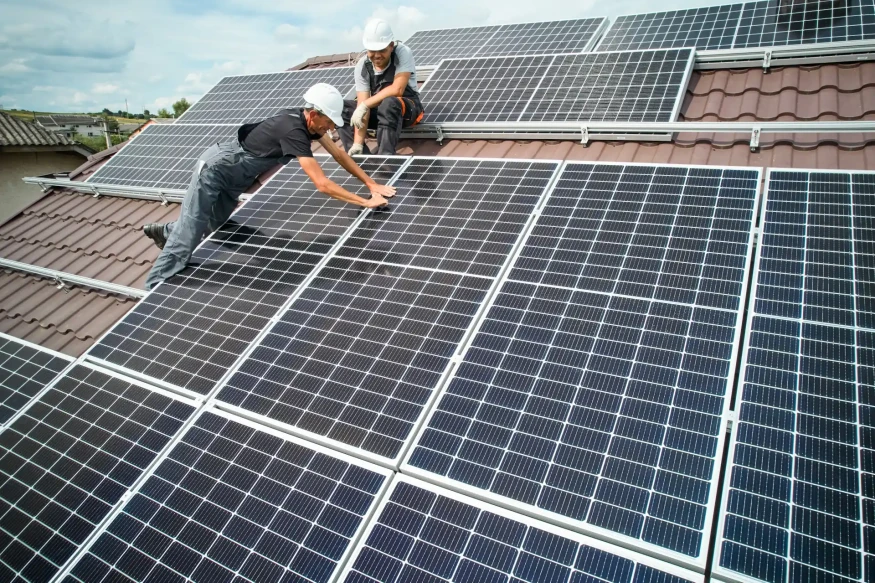
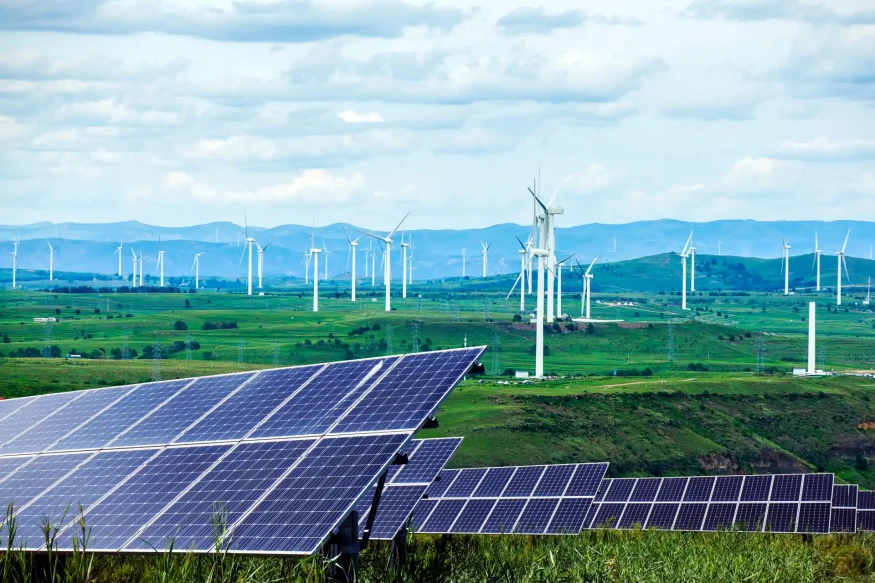
Phil Steele has compared this with what has happened in the solar panel market, where costs have fallen significantly as manufacturing has scaled up. Heat pumps may not follow the same trajectory, but the principle is similar: the more the market grows, the more opportunity there is to reduce manufacturing costs. However, if installer capacity is not expanded, increased demand could actually push prices upwards.
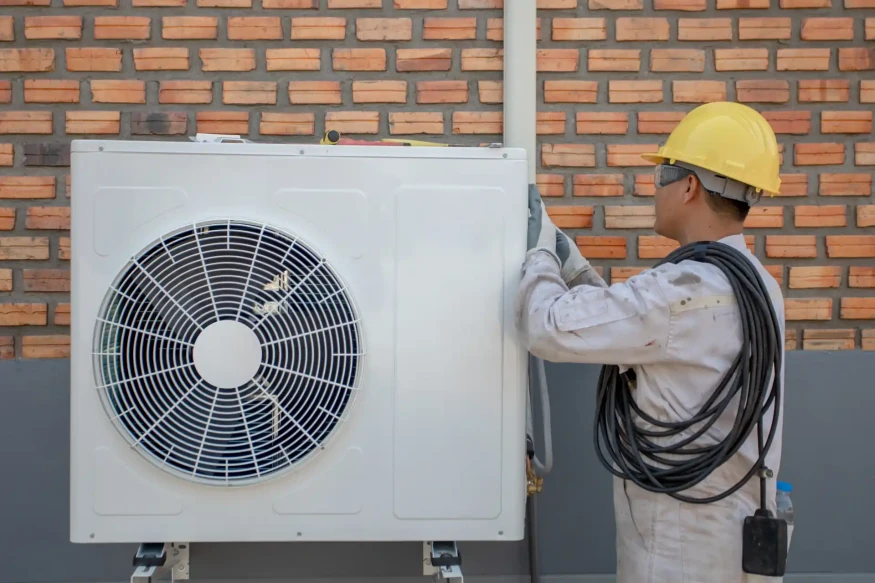
The cost of installing heat pumps could also fall as more engineers undergo specialist training and gain greater experience working with heat pump systems. As installers gain a deeper understanding of the technology, they may be able to complete installations more efficiently, reducing the time and labour involved. Improvements to digital surveying tools, system design and more standardised installation procedures may also help to reduce costs.
Improvements in technology may also have a part to play. Advances in system design, controls and manufacturing could make systems not only more efficient and easier to install but also potentially less expensive to produce. It should be noted, however, that improvements in efficiency are more likely to reduce electricity consumption and running costs than directly reduce the initial purchase price.
It’s important to bear in mind that there are two elements to the total cost of installing a heat pump: the cost of the heat pump itself and the cost of installing the complete heating system. The final price homeowners pay will include labour, any pipework required, potentially a hot water cylinder and any necessary upgrades to existing radiators needed. It will depend on how much work is required to make the system run efficiently. These extra costs will differ considerably between properties, especially when replacing a gas or oil boiler with a heat pump for the first time.
Research published by Nesta in 2024 highlighted the difference between the cost of a heat pump unit and the total installation price. Some of the greatest opportunities for reducing heat pump costs lie in improving the installation process rather than simply manufacturing cheaper units. The research found that while an air-source heat pump typically cost between £3,000 and £6,000, a complete installation could cost between £8,000 and £16,500. Although increased production and competition could help make the technology more affordable, the overall cost will still depend on the individual property and the work required to install the system.
Why is the Government Penalising Boiler Manufacturers?
The UK government introduced the Clean Heat Market Mechanism (CHMM) on 1 April 2025 to encourage manufacturers of traditional fossil-fuel boilers to support the growing heat pump market. The government is aiming to scale up low-carbon heating with a target of hundreds of thousands of heat pump installations annually by 2030 to reduce national carbon emissions.
Large manufacturers (selling over 20,000 gas boilers or 1,000 oil boilers per year) must ensure a specific percentage of their heating appliance sales are matched by qualifying heat pump installations. The required heat pump sales ratio is 6% for 2025-2026. For the 2026/27 scheme year, qualifying boiler manufacturers have a heat pump credit target equivalent to 8% of relevant fossil-fuel boiler sales above specified thresholds.
Manufacturers that fall short must make a payment of £500 per missing credit. They can also obtain eligible credits through a trading mechanism, so this is not simply a fine for every heat pump they fail to sell.
On 12 October this year, the government opened a consultation on extending the mechanism to 2032, including possible incentives for UK heat pump manufacturing.
Manufacturers such as Worcester Bosch and industry groups like the Energy and Utilities Alliance (EUA) argue that fining companies for selling gas boilers unfairly punishes UK businesses without addressing the main reasons homeowners are reluctant to switch to heat pumps, including high installation costs and a shortage of trained installers. In early 2024, Worcester Bosch introduced a £120 surcharge on boilers in anticipation of the proposed mechanism, although the surcharge was subsequently refunded when the government's implementation timetable changed. Ed Thomas, Head of
Government and External Affairs at Worcester Bosch, noted that penalty regimes only inflate the cost of traditional boilers without expanding the heat pump market. Martyn Bridges, Director of External Affairs, pointed out that strict retrofit targets are unrealistic when running costs and electricity-to-gas price ratios do not always add up for households.
Could the Boiler Upgrade Scheme Be Cut?
The UK government is reportedly considering removing hundreds of millions of pounds from the Boiler Upgrade Scheme's £2.7 billion five-year budget as part of wider government savings.
However, the scheme is not expected to be scrapped. Reducing the scheme's overall budget wouldn’t necessarily mean reducing the grant available to individual homeowners. The Department for Energy Security and Net Zero (DESNZ) has not confirmed any changes yet, although further details may emerge during the Chancellor's Budget on 28 October 2026.
As of October 2026, the Boiler Upgrade Scheme provides £7,500 towards an eligible air-to-water or ground-source heat pump in England and Wales. Qualifying off-gas-grid households replacing oil or LPG heating can receive £9,000 until 31 March 2027, while eligible air-to-air heat pumps attract a £2,500 grant.
Clean tech leaders and organisations like Nesta are concerned that cutting the budget could damage a growing installation sector and slow progress toward UK climate targets. Industry figures believe that reducing the subsidy could widen the cost gap between heat pumps and traditional gas boilers.
Will Heat Pumps Become Cheaper to Run?
Heat pumps could become cheaper to run as policy changes, smarter tariffs and technological improvements lower the cost of electricity relative to gas.
Historically, over 80% of environmental policy costs were loaded onto electricity bills, making electricity roughly four times more expensive than gas per unit. The government is looking at ways of shifting environmental and social levies away from electricity bills toward general taxation or gas, which could reduce electricity prices significantly. Recent policy changes have also temporarily removed VAT from domestic electricity bills in Great Britain between October 2026 and March 2027, helping to reduce running costs for households using electric heating, including heat pumps.
Specialised heat pump tariffs can help with running costs. Energy providers like Octopus (such as the Octopus Cosy tariff) offer dedicated time-of-use rates with cheaper blocks of electricity (e.g., ~15p/kWh vs standard ~30p/kWh rates).
Heat pumps and heat pump installations are becoming more efficient all the time. Well-designed and properly commissioned heat pumps can achieve seasonal performance figures of around 3.8 to 4.5 under suitable conditions, although actual efficiency will vary depending on the property, system design and operating temperatures.
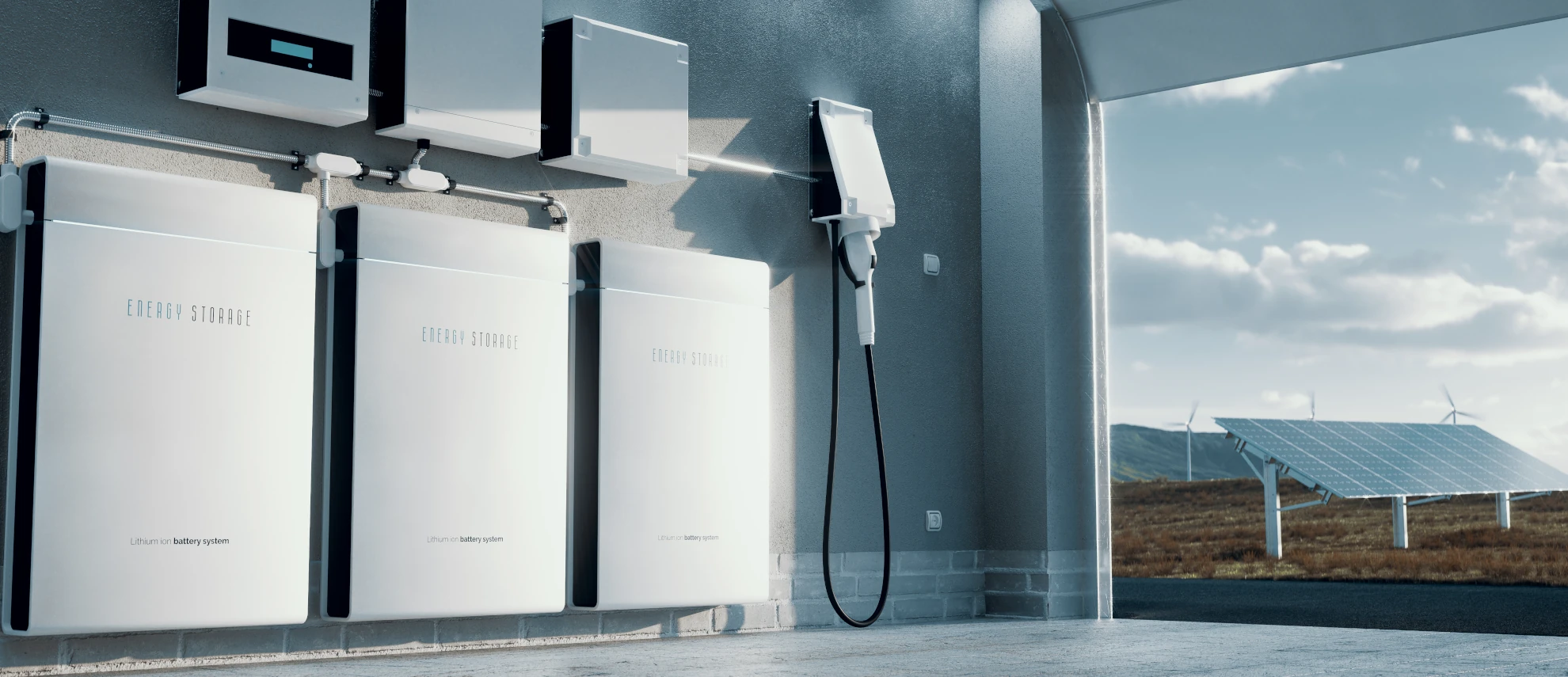
More people are now combining heat pumps with rooftop solar panels and home battery storage allowing them to store cheap off-peak power and take advantage of changes in electricity prices throughout the day. Solar and batteries can help with running costs, but savings depend on seasonal generation, tariff structure and household demand. Winter heating demand is highest when solar generation is generally lowest.
Should Homeowners Install a Heat Pump Now or Wait?
If you’re a homeowner with an ageing gas boiler you might want to install a heat pump now rather than waiting, primarily due to the current £7,500 government grant and a growing, mature installer network.
Right now, the government's Boiler Upgrade Scheme (BUS) provides up to £7,500 or up to £9,000 if replacing an oil or LPG system off the gas grid in eligible regions to significantly lower upfront installation costs.
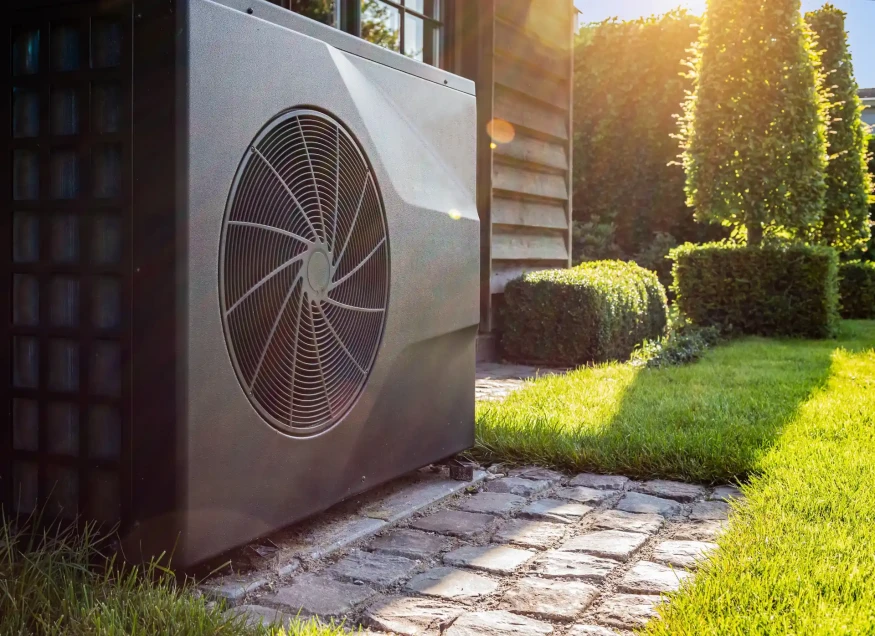
Another good reason why installing a heat pump now is a good idea is that the more modern R290 air-source heat pumps and higher-temperature models may be suitable for some existing heating systems without extensive radiator upgrades, although this will depend on the property's heat loss and the design of the system.
It’s also worth considering possible future changes to government policy and grant availability, although waiting for lower prices does not necessarily mean homeowners will face longer installation times.
If, however, you have recently installed a high-efficiency gas boiler, immediate replacement with a heat pump will not yield rapid payback savings when compared to current gas unit prices.
Another reason why it might be worth waiting is if your home is draughty or uninsulated, you may need to invest in loft, wall, or floor insulation first to prevent high electricity running costs. The insulation costs could add a considerable amount to the cost of installing your heat pump. This could change over time as heat pumps become more efficient at higher temperatures. Some homes may need fewer changes to their existing heating system, with no need for bigger radiators or extensive insulation. Although insulation is not a requirement for receiving a Boiler Upgrade Scheme grant, improving it can help reduce heat loss and heating costs.
Homeowners may also need time to adjust to the way heat pumps operate, particularly as they often work most efficiently when maintaining a steady indoor temperature rather than heating a property in short bursts.
The Future Cost of Heat Pumps in the UK
There are good reasons to believe that heat pumps could become more affordable in the UK over the coming years. Increased manufacturing, greater competition, improvements in technology and a more experienced installation workforce could all help bring costs down. Changes to electricity pricing and the availability of specialist tariffs could also make heat pumps cheaper to run.
However, much will depend on government policy, particularly the future of the Boiler Upgrade Scheme. Even if installation costs fall, reductions in financial support could mean that some homeowners end up paying more for a heat pump than they would today.
For homeowners considering making the switch, there is no guarantee that waiting will result in a cheaper installation. The best decision will depend on the age and condition of their existing heating system, the suitability of their property and the financial support available at the time.
Please see our main guide on the costs of heat pumps for further information.
Find a local installer
Welcome to the biggest directory of UK renewable energy companies